







Dental Implants vs. Other Tooth Replacement Options: A Helpful Comparison for Patients

Medically Reviewed By Periodontal Associates
Choosing how to replace teeth is an important decision for your long-term oral health. Several options exist, but each one offers different benefits. This comparison is designed to give patients a clear, straightforward understanding of how replacement options differ. Periodontal Associates strives to educate their patients on different treatment options, so they can make a decision that best fits their needs.
A Side-by-Side Look at Tooth Replacement Options
Dental Implants
- Replaces the full tooth, including the root.
- Helps maintain bone health.
- Designed to function much like a natural tooth.
- Does not rely on neighboring teeth.
Dental Bridges
- Replaces the visible portion of a missing tooth.
- Supported by the teeth next to the empty space.
- Does not address changes in the jawbone.
- Can be a good option when surrounding teeth need restorative work.
Dentures (Partial or Full)
- Removable appliance that replaces several or all teeth.
- Helps restore appearance and chewing ability.
- Does not mimic natural tooth roots.
- May require periodic adjustments.
Longevity and Durability
Dental Implants
Dental implants are known for their long-term stability. They integrate with the jawbone, which supports long-lasting function when paired with routine cleanings and home care.
Bridges
Bridges typically last several years before needing replacement or maintenance. Their lifespan can depend on the health of the supporting teeth.
Dentures
Dentures may require more frequent adjustments as the jawbone and gums change over time.
Comfort and Daily Function
Dental Implants
Dental implants feel secure during daily activities. Patients appreciate that they do not slip or move, and chewing often feels more natural.
Bridges
Bridges are fixed in place. They offer good stability but do not provide the rooted support that implants offer.
Dentures
Modern dentures can fit well, although they may shift slightly while talking or eating. Because they rest on the gums, their comfort depends on how well they are fitted and maintained.
Oral Health and Whole-Body Benefits
Periodontal Associates prioritizes long-term health rather than short-term solutions. This means understanding how each option affects the foundation of your smile.
Implants and Bone Health
Implants stimulate the jawbone. This helps preserve its shape and strength over time.
Bridges and Neighboring Teeth
Bridges require reshaping the supporting teeth so they can hold the restoration. This can be a stable solution, but it does not address bone changes beneath the missing tooth.
Dentures and Gum Health
Dentures restore appearance and function, although they sit on the gums rather than within the bone. Your provider will monitor gum health regularly to ensure a comfortable fit.
Financial Investment and Long-Term Value
Because implants support bone health, comfort, and long-term function, many patients view them as a valuable investment in their oral health. They do not rely on adjacent teeth and are designed to last with proper care.
Bridges and dentures may have a lower initial investment. They can be appropriate choices depending on your goals, dental history, and the condition of surrounding structures. Over time, they may require more maintenance or replacement, which contributes to ongoing cost considerations.
Your periodontist will walk you through each option during your consultation. The goal is always clarity, transparency, and a recommendation that supports your health for years to come.
Which Option Is Right for You?
Every patient’s oral health is unique. Factors such as gum health, bone density, lifestyle, and personal preferences all play a role in selecting the right tooth replacement option. To learn more about which solution may be right for you, schedule a consultation with Periodontal Associates.
Categories
- Dental Implants (7)
- Uncategorized (1)
Related Blog Posts



“Dr. Murphy and his staff were great! The entire staff are considerate, professional and knowledgeable. We had the implant procedure done here and everything went great. Highly recommend!”
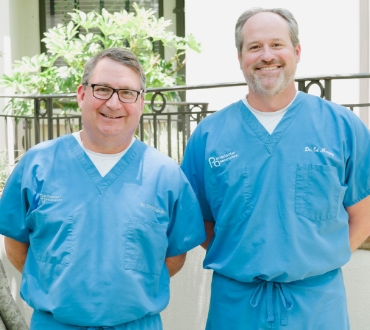
Serving Charleston Since 1968
Our Patients Love Us